What is Traction Control


As users of modern vehicles, it is very important for us to know about Traction Control. That is why we at Motor Guide thought to discuss this in depth.
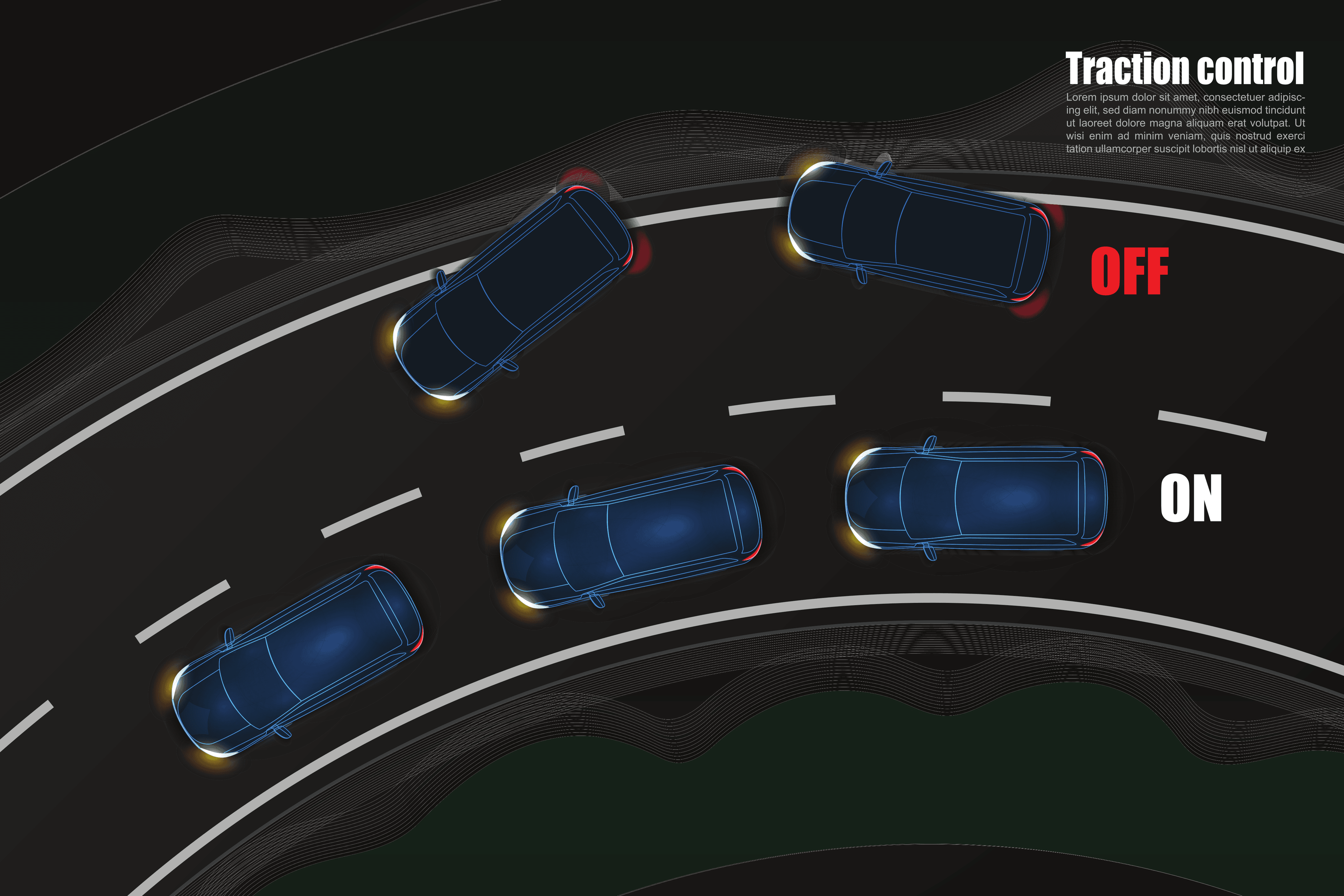
Traction Control System (TCS) is a vital safety feature in modern vehicles. Basically, it is designed to control the spinning of a vehicle's wheels and provide maximum grip (Traction) on the road. Its main function is to prevent Wheelspin.
Let's see how Traction Control works.
Receiving Information via Sensors: The TCS system uses Wheel Speed Sensors to measure the speed of the wheels. These are the same sensors used by the ABS (Anti-lock Braking System). When the vehicle is moving, these sensors continuously send the rotational speed of all four wheels to the Electronic Control Unit (ECU).
Detecting Wheel Slip: If one wheel is spinning significantly faster than the others (for example, when accelerating fast on a wet or slippery surface), the ECU determines that the wheel is losing traction. Usually, this happens when accelerating on a slippery road.
As soon as a slip is detected, the TCS system intervenes in two ways to regain control. At that moment, it applies braking power only to the slipping wheel. This slows down that wheel and controls its spinning. Also, in a drive axle with two wheels (Differential), applying the brake to one wheel transfers that power to the other wheel which has grip, helping to move the vehicle forward.
Reducing Engine Power: The ECU temporarily reduces engine power. This can be done by limiting the throttle opening, reducing fuel supply, or altering ignition timing. This reduces the torque sent to the wheel and prevents slipping.
Benefits of Traction Control
It helps control the vehicle when driving on wet, snowy, or slippery roads, reducing the risk of accidents. It also prevents wheels from spinning out of control when accelerating quickly or climbing hills. Furthermore, it allows the wheels to maintain maximum grip on the road when needed most.
When to Turn Off Traction Control

Usually, keeping TCS on is safer, but in some situations, it is better to turn it off. When a vehicle is stuck in deep mud, snow, or sand, if TCS is active, it limits wheel spin, making it hard for the vehicle to get out. In such cases, allowing the wheels to spin slightly helps the tire tread 'dig' into the surface and gain grip.
Using Tire Chains: When tire chains are used, TCS might intervene and cause issues.
Turning Off TCS and Safety
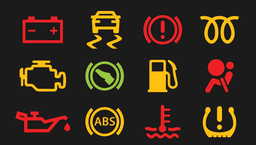
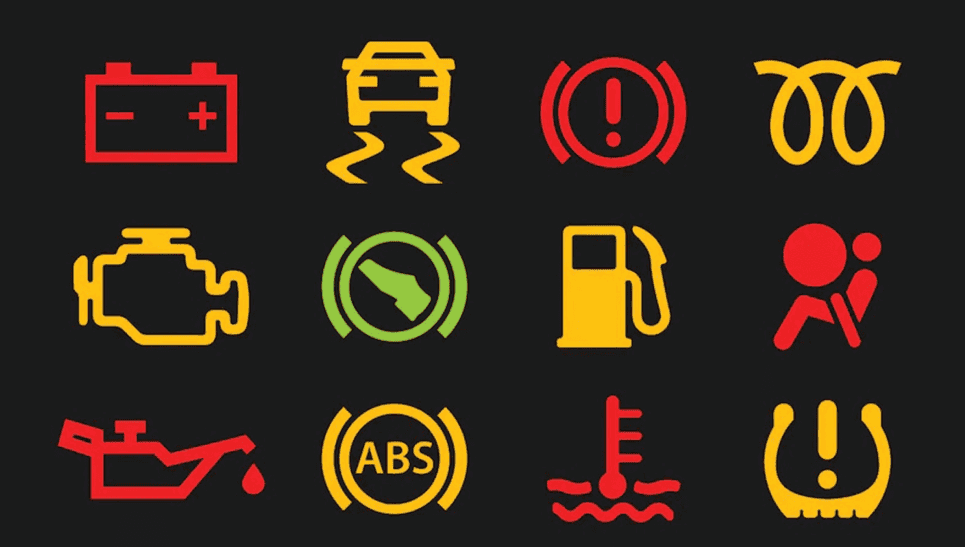
You can deactivate the system using the TCS OFF button in the vehicle (usually marked as TCS OFF or a car icon with wavy lines/ESC OFF).
When you turn off TCS, the full responsibility of controlling wheel spin falls on you as the driver. While this is not an issue on a dry road, doing so on a wet or slippery road can be extremely dangerous.
The Traction Control System is a crucial electronic safety system developed as an advancement of ABS technology, helping to maintain your vehicle's stability and control during acceleration and on slippery surfaces.
How this system relates to ABS and Stability Control
The Traction Control System does not work alone. It is closely tied to other major vehicle safety systems.
With Anti-lock Braking System (ABS)
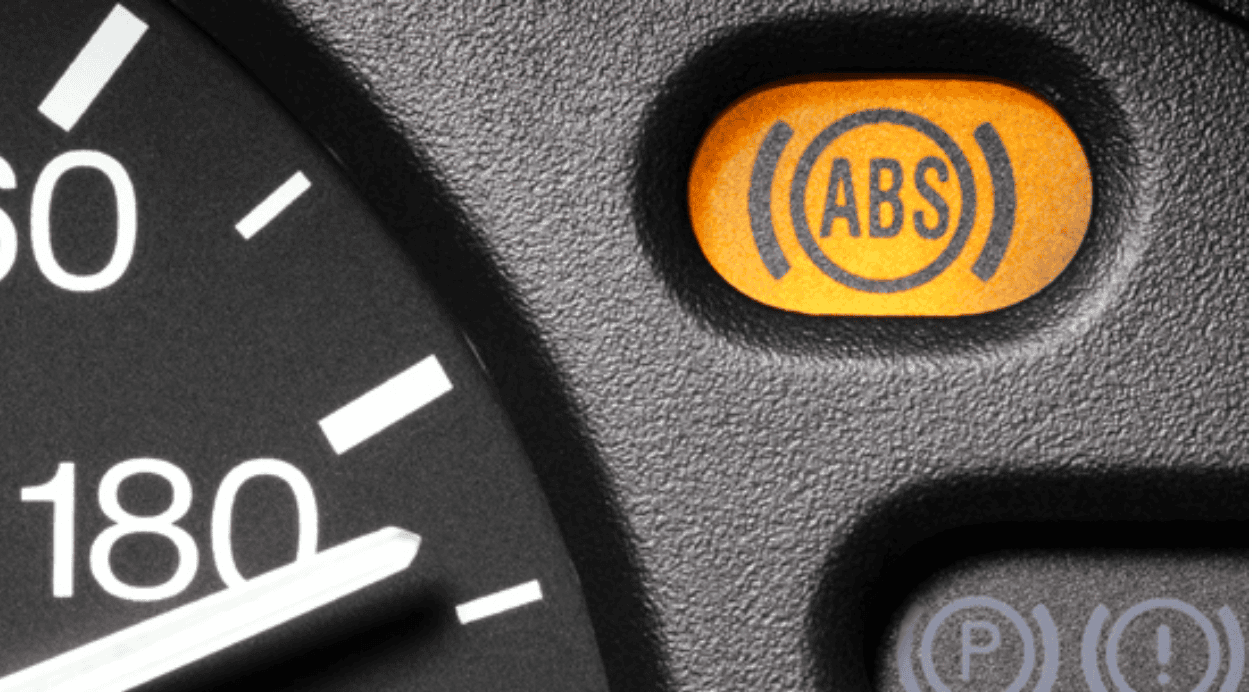
Both TCS and ABS share Wheel Speed Sensors and Hydraulic Modulators. TCS can be considered an enhanced function of ABS itself. While ABS prevents wheel locking during braking, TCS prevents wheel slip during acceleration.
With Electronic Stability Control (ESC)
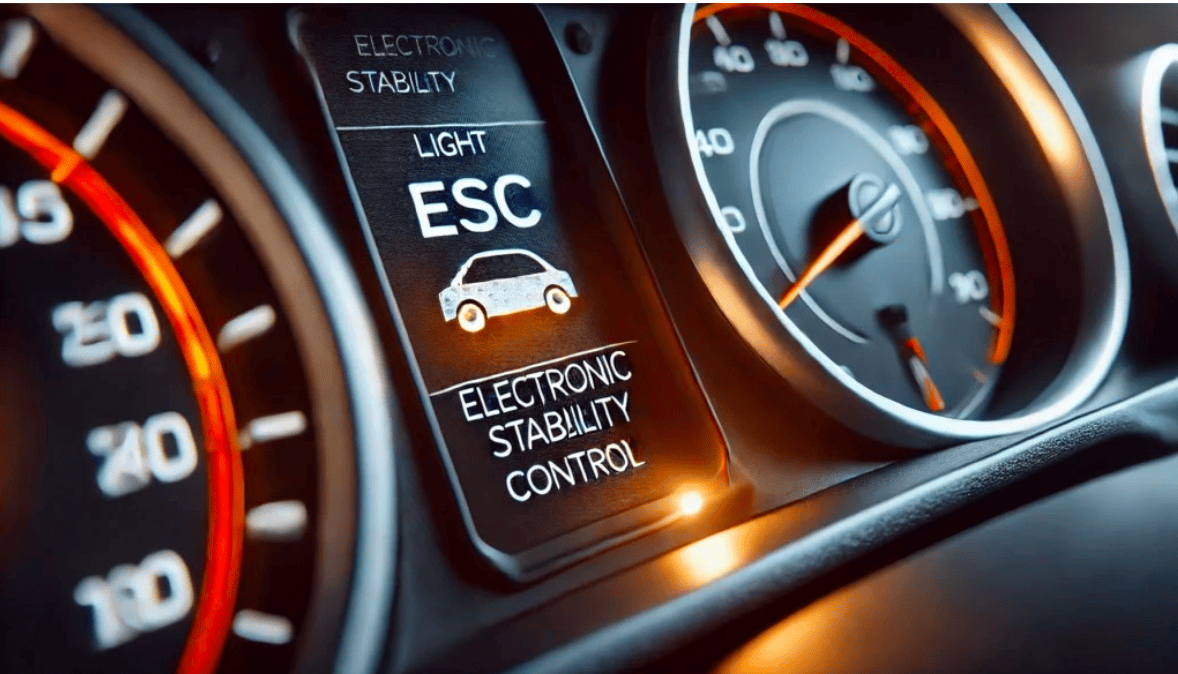
ESC (or ESP) is a broader system. TCS is a part of ESC. ESC uses sensors like YAW-RATE and Steering Angle sensors to detect if the vehicle is skidding or about to roll over, and uses TCS and ABS to correct it.
Different Types of Traction Control
Although the basic process of TCS is similar, there are two main types based on how they operate.
Engine Control Based TCS (Engine Torque Control)
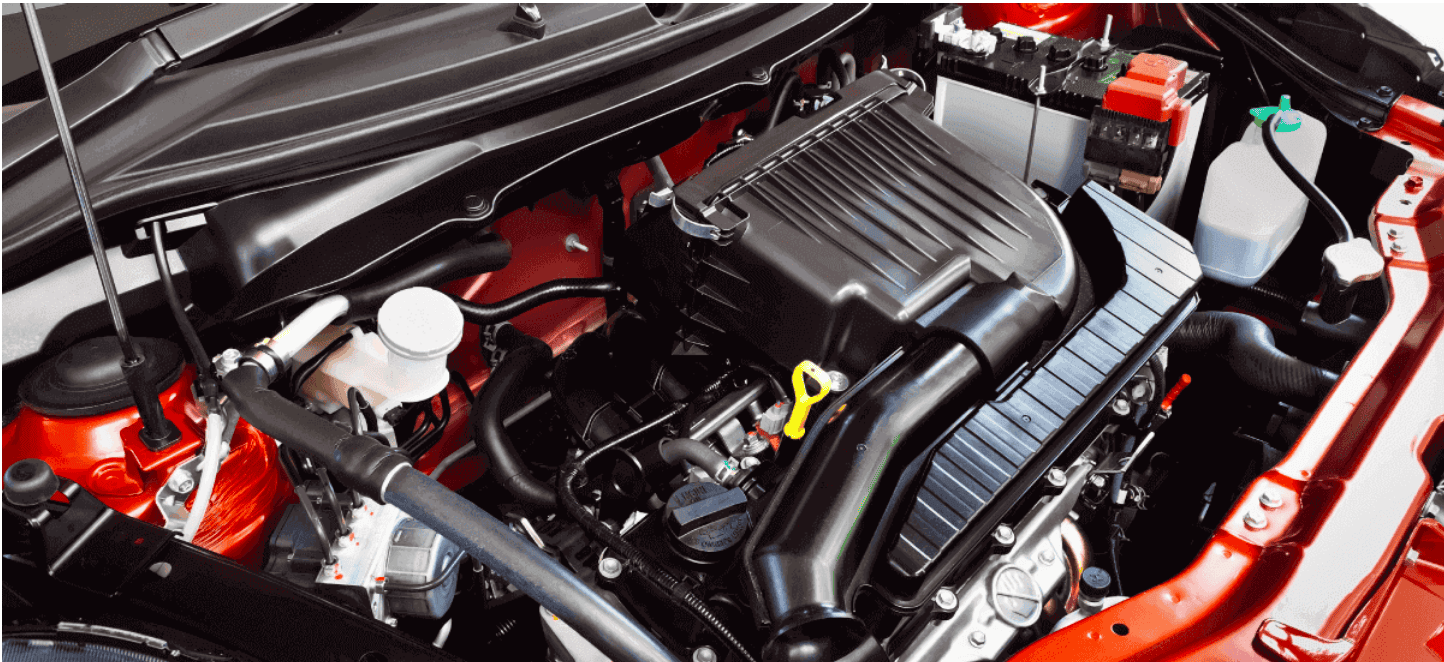
This older method directly reduces engine power when wheel slip is detected. Here, engine power is controlled by closing the throttle or cutting fuel. The disadvantage is that the driver might feel a sudden loss of power, which can be intrusive during driving.
Brake Control Based TCS (Brake Intervention Control)
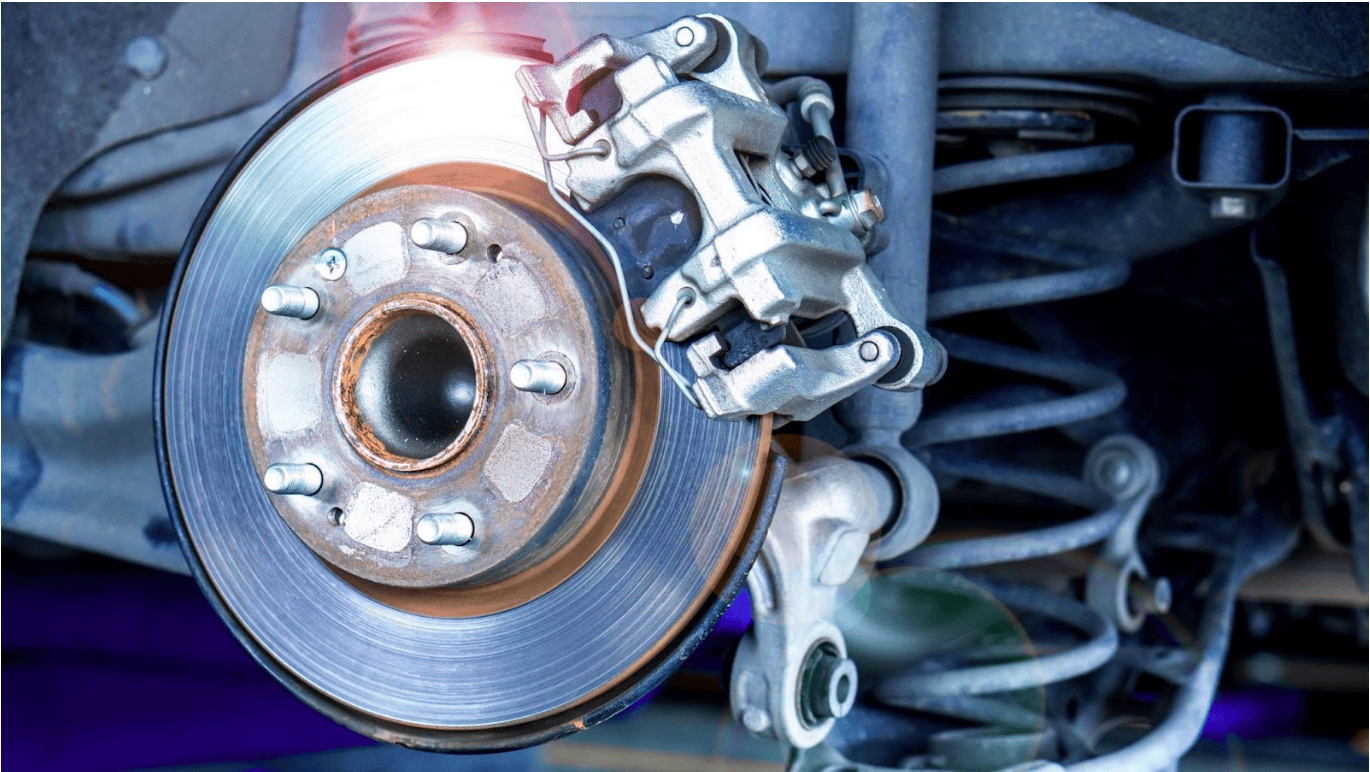
This method is common in modern vehicles and is more efficient. Here, braking is applied only to the slipping wheel. Since engine power isn't cut completely, power can continue to be sent to the other wheel with grip, providing faster and smoother control.
We hope these points give you a clear understanding of the complexity of the Traction Control System and how it contributes to overall vehicle control.