What to Do If Your Vehicle Was Caught in a Flood: Essential Safety Tips


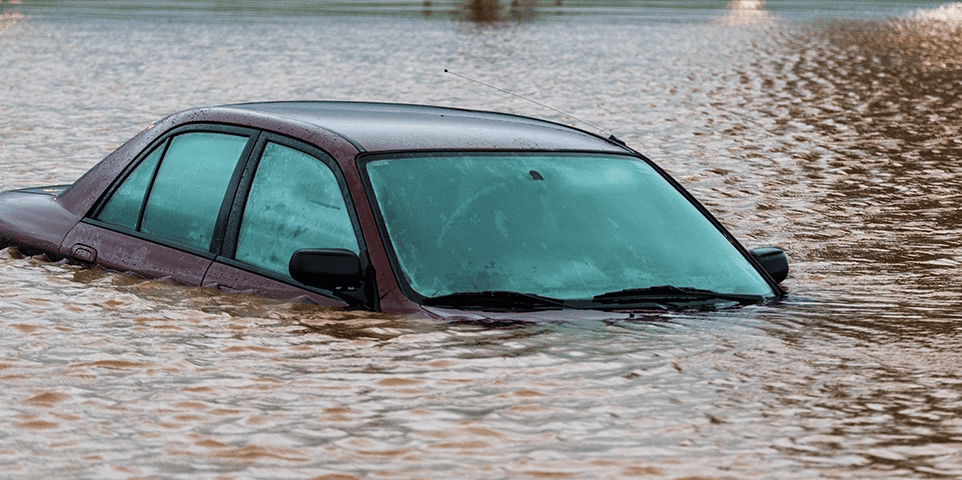
Many vehicles have been damaged due to the flood situation caused by Cyclone Ditwah, which is currently affecting Sri Lanka. Restoring a vehicle damaged in this manner is a task that must be done very carefully and systematically.
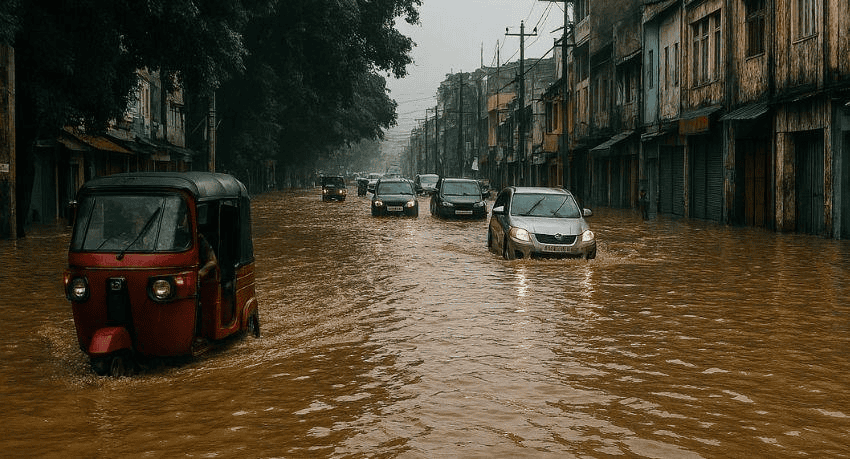
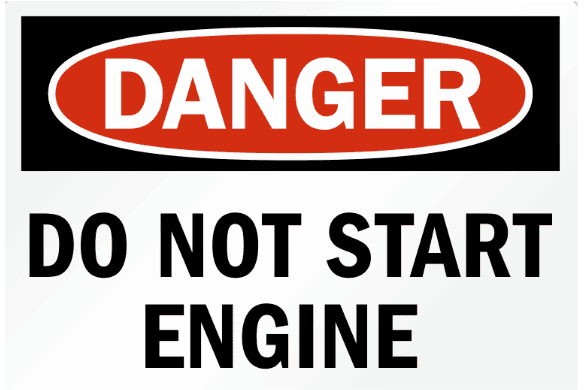
At MotorGuide, we decided to bring you a comprehensive guide on the most important things needed to revive a vehicle caught in a flood. Here, we are going to discuss the dos and don'ts regarding a flood-damaged vehicle. The first and most critical step is to avoid starting the engine. Okay, let's discuss this in detail now.
Is it suitable to start a vehicle caught in a flood?
Just hearing about a vehicle caught in a flood and thinking "the water might have drained, let's see if it starts" is something you should absolutely not do. It is important to understand the scientific and mechanical reasons behind this.
The Danger of Hydro-lock
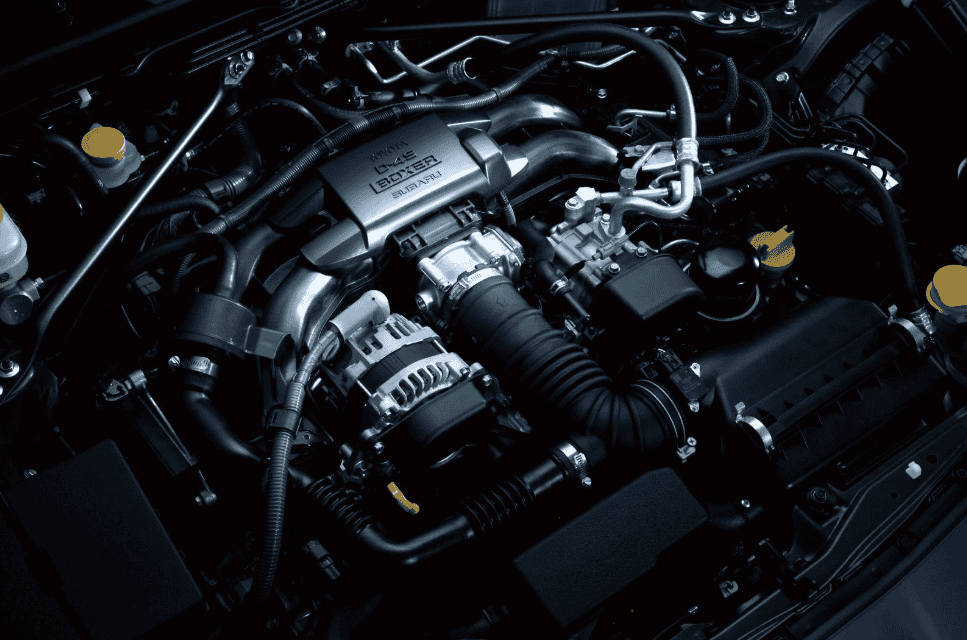
The biggest threat to a flood-damaged engine is "Hydro-lock." Simply put, this means water has entered the combustion chambers of the engine. When you try to start the vehicle, the piston moves up to compress the fuel and air mixture. Usually, air and fuel can be compressed. However, water cannot be compressed.
If the combustion chambers are filled with water and you start the engine, as the piston goes up, it hits the uncompressible water. This pressure can cause the piston connecting rods, which are powerful parts of the engine, to bend or break. This causes massive mechanical damage to the interior of the engine. You might have to replace the engine entirely or spend a large amount of money on repairs.
By simply not operating the engine, you can avoid this harmful situation one hundred percent.
Short Circuits and Damage to Electrical Systems
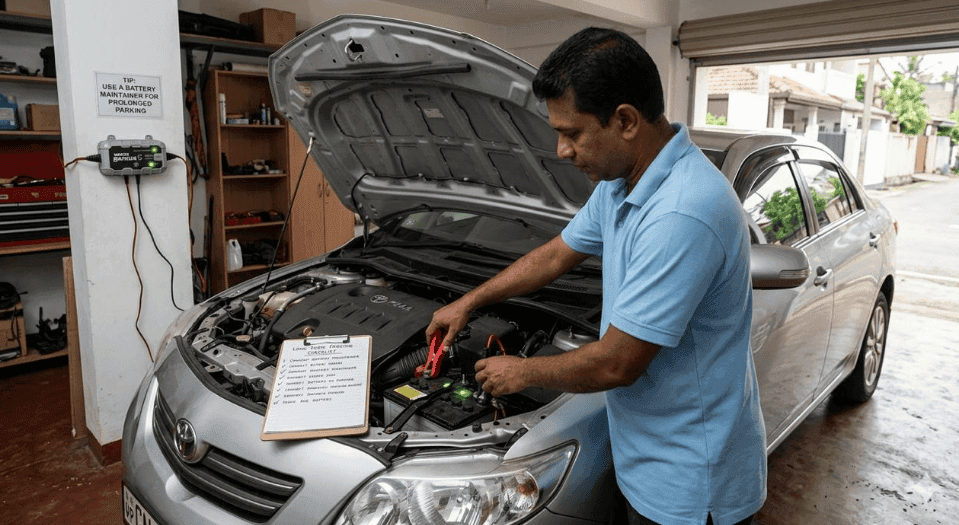
Modern vehicles are mostly comprised of electrical systems. Water, especially dirty floodwater, acts as a conductor for electricity. In times like this, disconnecting the battery is the right thing to do. If the vehicle's battery remains connected to the circuits, electricity flows through the water, potentially causing short circuits. This can lead to wires burning, fuses blowing, or more seriously, permanently damaging the ECU (Engine Control Unit)—the brain of the vehicle—and other control modules.
You can prevent this damage by immediately disconnecting the negative terminal (-) of the battery and cutting off all electrical power. Removing the battery completely is even better.
Other Parts That Can Be Damaged
Trying to start the engine can damage other systems as well.
- Starter Motor: Trying to immediately operate a submerged starter motor can cause mud and debris to destroy its internal parts.
- Fuel System: If water has entered the fuel tank, when you try to start the vehicle, water can travel through the fuel pump into the engine, making the hydro-lock situation even worse.
So, apart from refraining from starting the engine, what are the immediate steps you should take?
Disconnect the Battery
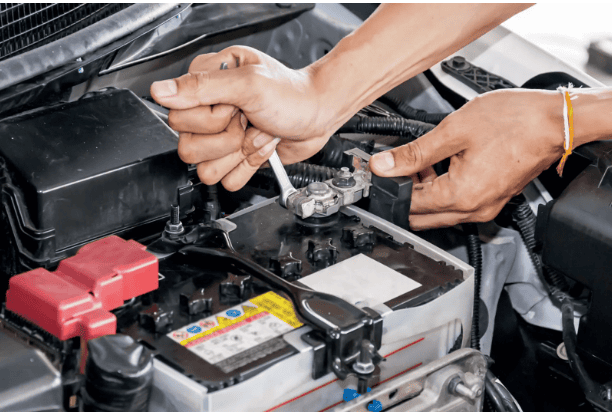
Safely remove the negative terminal (-) first. If possible, remove the battery entirely.
Use a Tow Truck / Carrier
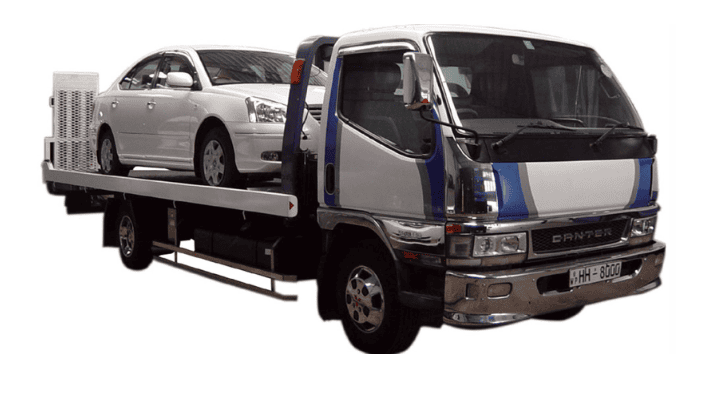
Do not try to drive or push-start the vehicle under any circumstances. Take it to a service center only using a tow truck or carrier truck that can lift it safely.
Notify Insurance

Inform your insurance company immediately and get their advice. Do not change any parts until your damage has been assessed.
Attempting to start the engine turns a small damage into a major disaster. If you avoid doing so, you will likely be able to reduce the vehicle's repair cost by a significant amount. In the second part of this series, we will talk about cleaning and drying the interior and exterior of the vehicle.