How to Clean a Flood-Damaged Car: Interior & Exterior Guide


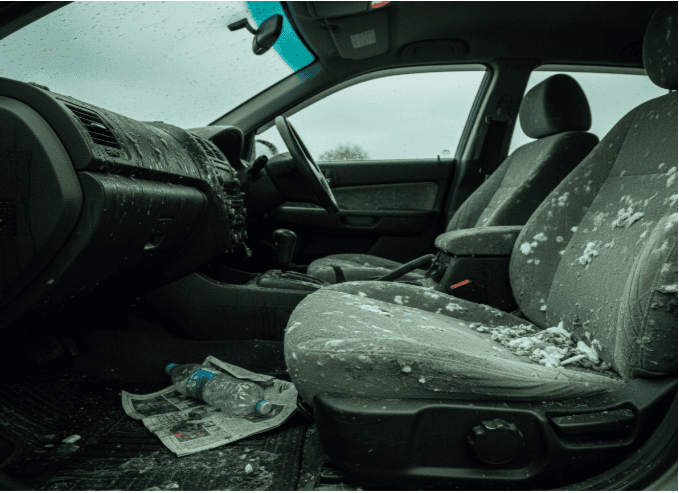
We are going to discuss cleaning and drying the interior and exterior parts of the vehicle. What remains in a vehicle after a flood is not just water. It is a dangerous mixture of mud, waste, oil, chemicals, and bacteria. If this is not removed properly, mold will develop, damaging the vehicle's long-term value and posing health risks to its passengers.
How to Clean the Interior Properly?
The main objective when drying the interior is to completely remove moisture and debris and to prevent the growth of mold.
Remove the vehicle's seats and take them out of the vehicle as soon as possible. If there is mud and debris, wash them well. Since water gets trapped inside seat cushions, it is mandatory to dry them properly.
Completely remove the carpets on the vehicle floor. There may be sound dampening materials under the carpet, which absorb a lot of water; therefore, they must be dried completely or replaced if necessary.
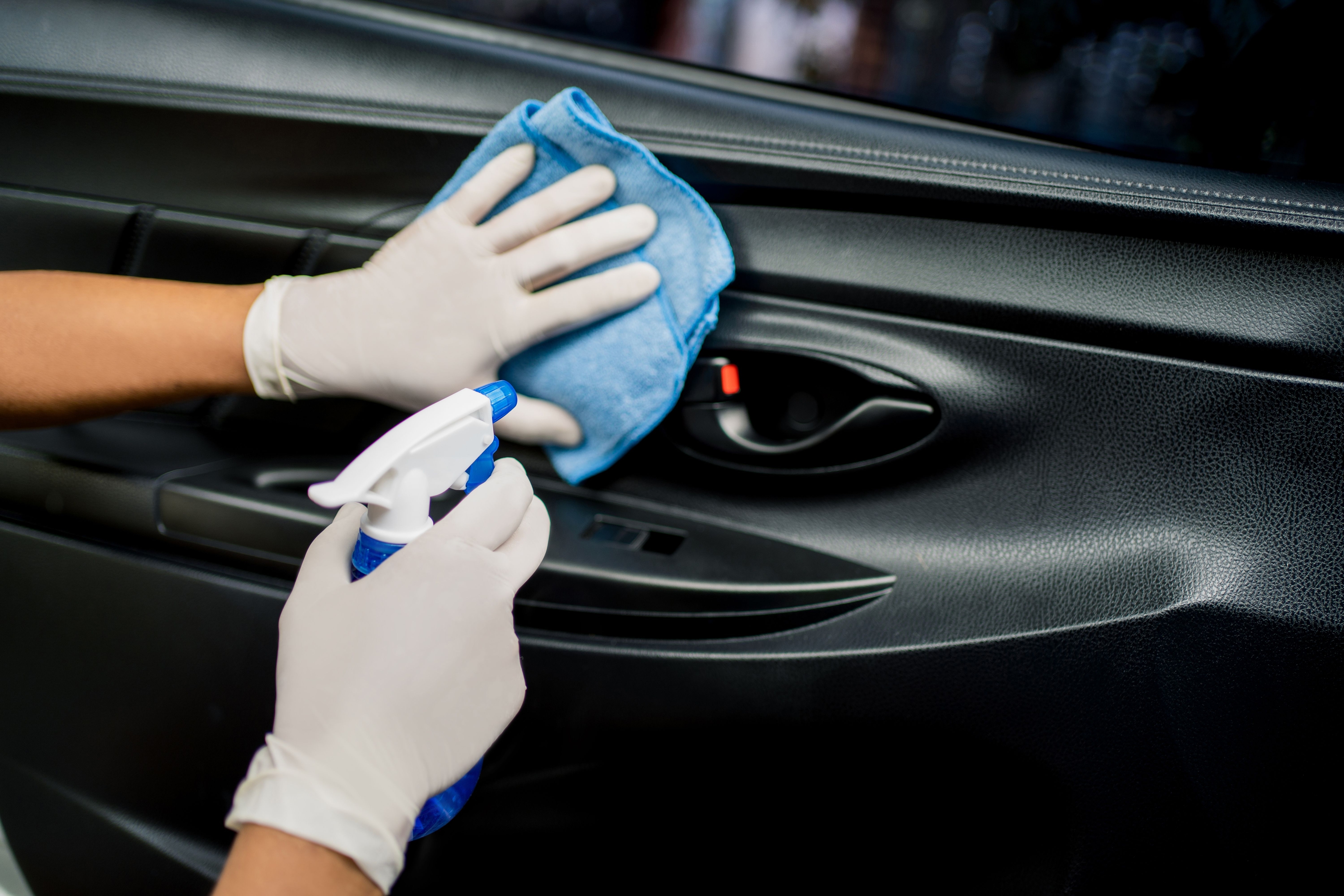
Wash and clean the removed carpets and seats using a good detergent and disinfectant. It is essential here to completely remove the contaminants found in floodwater. Wash away all mud and debris from the vehicle's floor pan. It is very important to clean immediately to prevent rust on metal parts.
Odor and Mold Control
After cleaning, use a specific disinfectant to destroy the bacteria that cause mold and bad odors.
Air Conditioning (AC Vents)
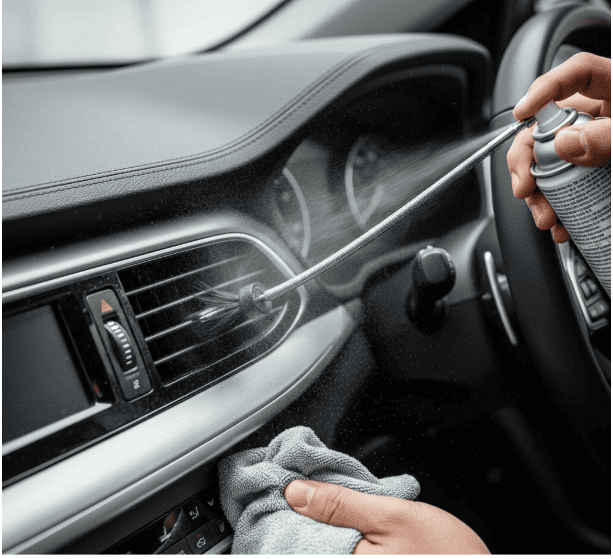
Since moisture and mold can develop inside the ventilation ducts (Vents) of the AC system, get the assistance of an expert to clean them.
The Drying Process
Failure to dry properly can lead to a rotting smell and mold infestation inside the vehicle after a few months. To speed up drying inside the vehicle, open the doors and use powerful fans to circulate air inside. Furthermore, dehumidifiers can be used. Using a dehumidifier machine is very effective for absorbing moisture from the air inside the vehicle.
Understand that it may take several days (sometimes a week or more) for the interior to dry completely. Do not reinstall the carpets and seats until you are sure that all parts are 100% dry.
Mechanical Assistance to Clean Exterior and Undercarriage
Some service centers have facilities to lift vehicles and clean the undercarriage. We can seek their assistance in such a situation.
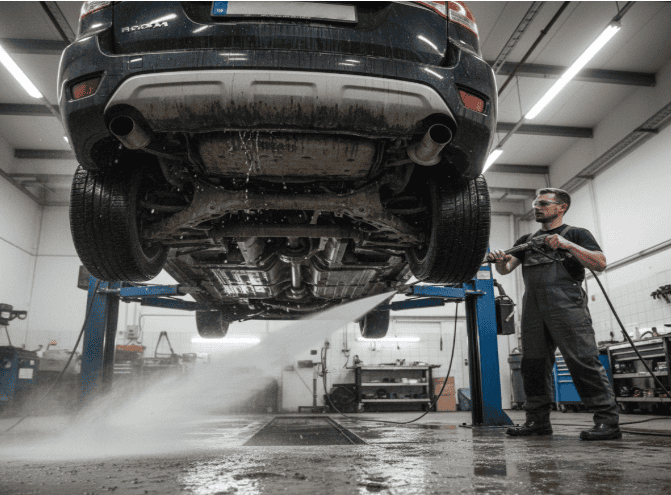
Cleaning the exterior can minimize rust formation and damage to mechanical parts. A pressure washer can be used for this washing process. Wash the undercarriage of the vehicle thoroughly using high-pressure water. Removing mud and gravel trapped between the brakes, suspension system, and the chassis is key here. After cleaning and drying, applying a rust protection coating to the undercarriage and the interior of the doors can ensure the long-term protection of the vehicle's metal parts.
By following this detailed series of steps, you can turn your vehicle back into a clean, dry, and hygienic mode of transportation.