How to Repair the Mechanical and Electrical Systems of a Flood-Affected Vehicle?


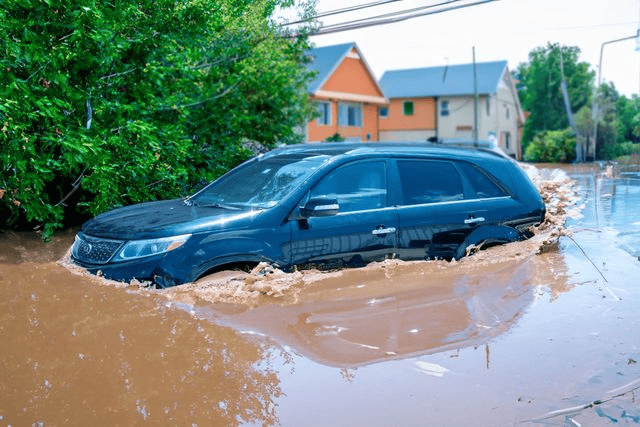
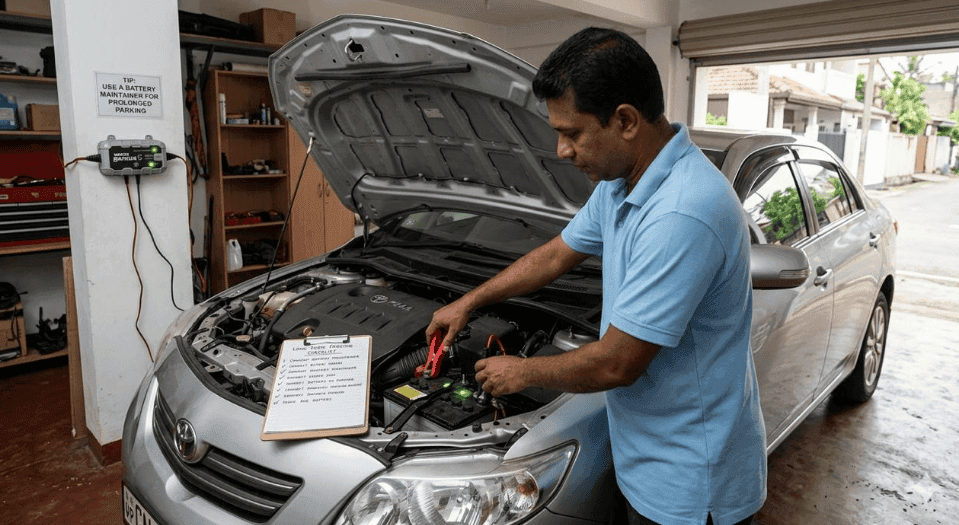
Let's discuss in detail the inspection of mechanical and electrical systems, which can be the most complex and expensive part of restoring a flood-damaged vehicle. Professional experience is essential at this stage, and you should not attempt to perform these tasks yourself.
Once floodwater enters the sensitive parts of a motor vehicle, it causes corrosion and malfunctions. Repairs should focus on two main areas: Fluid/Mechanical systems and Electrical systems.
Checking Fluid and Mechanical Systems
This involves checking if water has entered these systems and removing contaminated fluids. Furthermore, Flushing All Fluids must be done.
Engine Oil & Filter
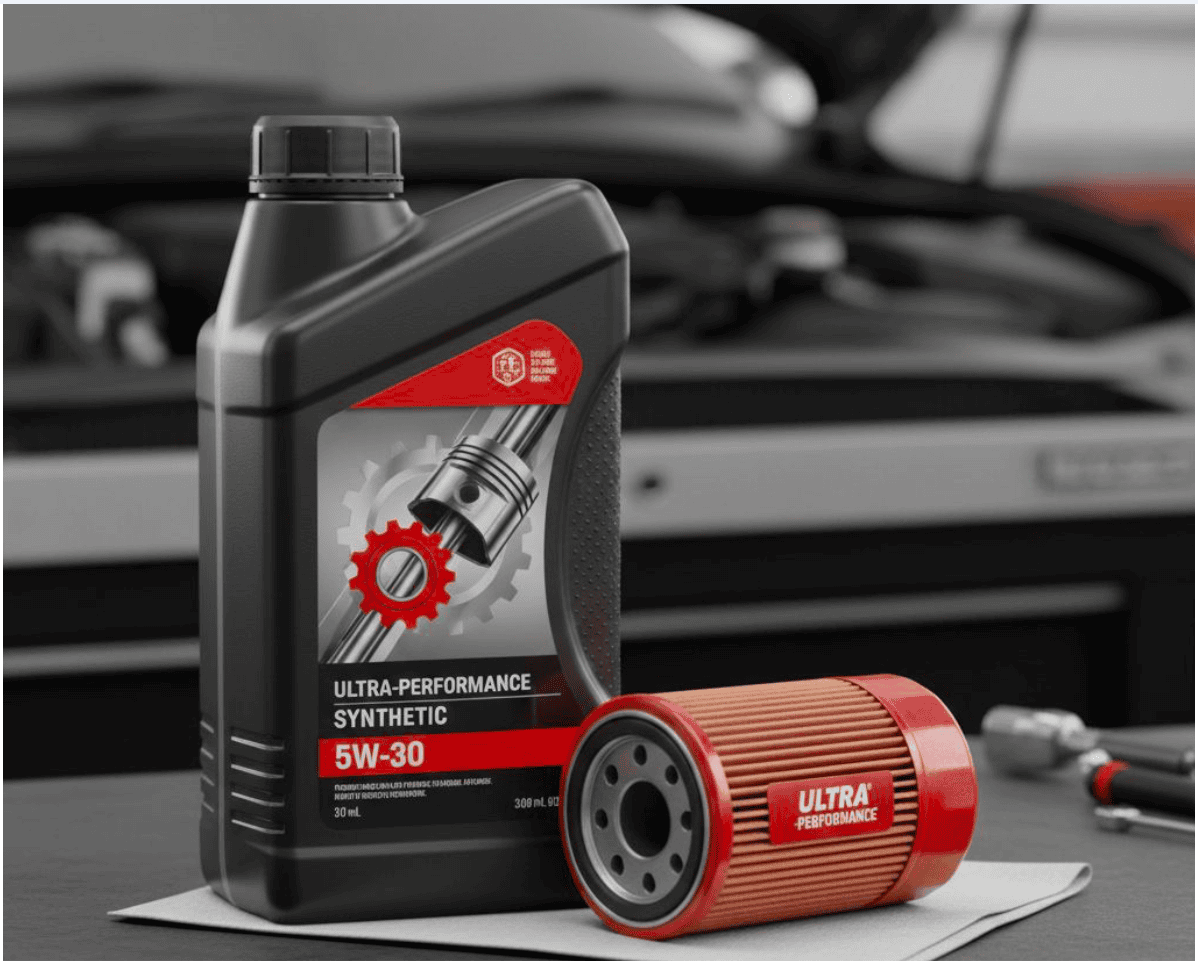
If water has entered the engine, it mixes with the oil to form a "Milky Substance." This completely destroys lubrication and damages the engine. Therefore, the oil and oil filter must be replaced immediately.
Transmission Fluid (Gear Oil)
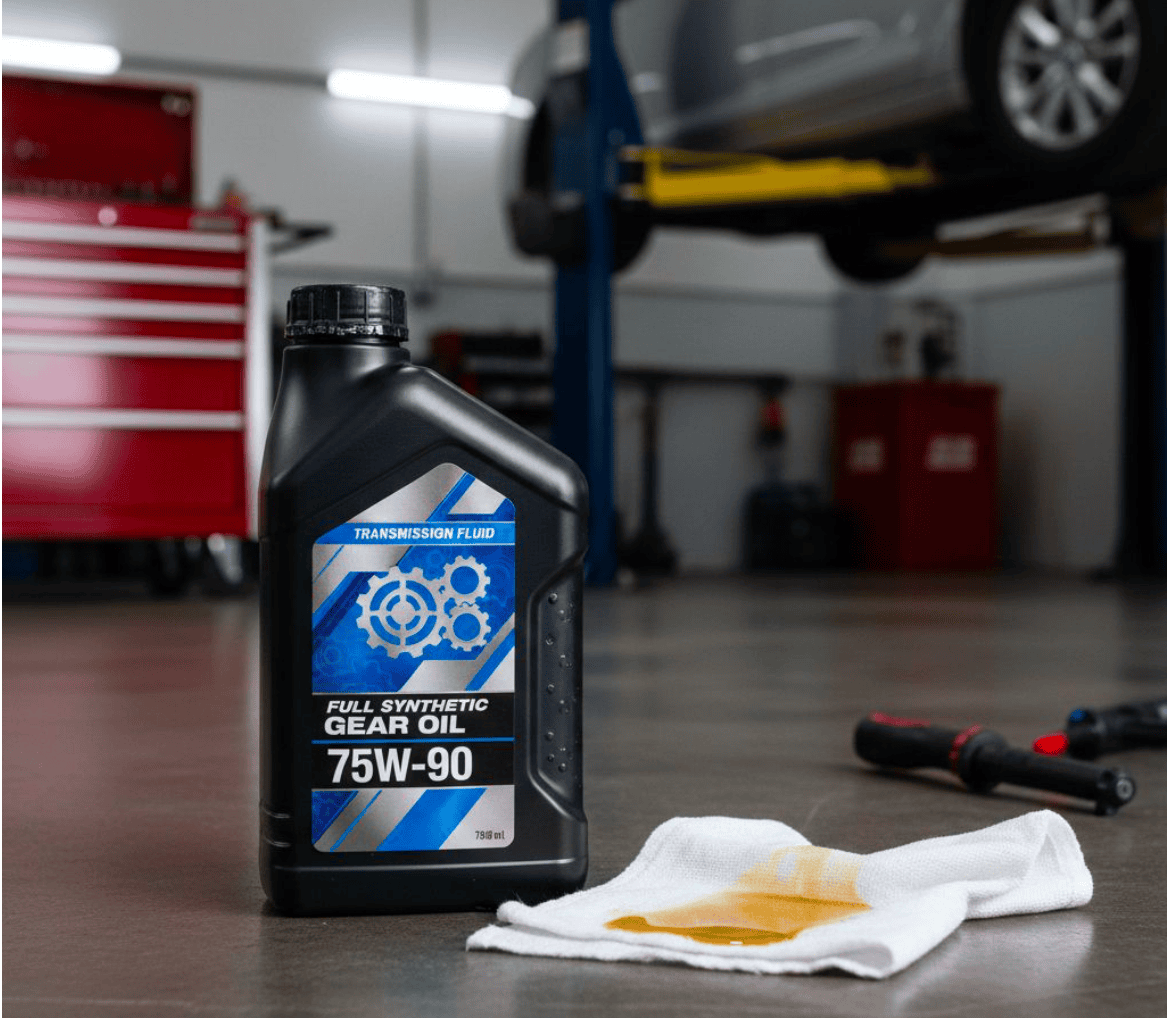
If water enters Automatic or Manual gearboxes, sensitive parts including Clutch Plates can be damaged. Change the gear oil and, if necessary, flush the transmission system.
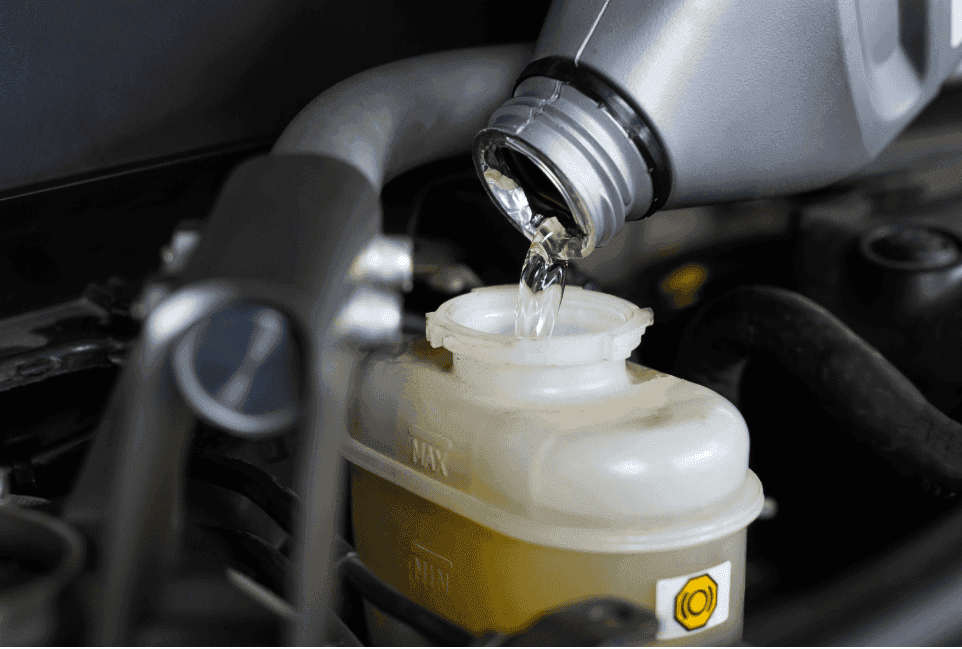
Brake Fluid, Power Steering Fluid, and Differential Oil should also be checked and replaced if contaminated.
Deep Inspection of the Engine System
A deep inspection is mandatory to check for Hydro-lock. As mentioned previously, a professional mechanic must check if the Piston Connecting Rods and Crankshaft have been damaged by a hydro-lock situation.
Air Filter
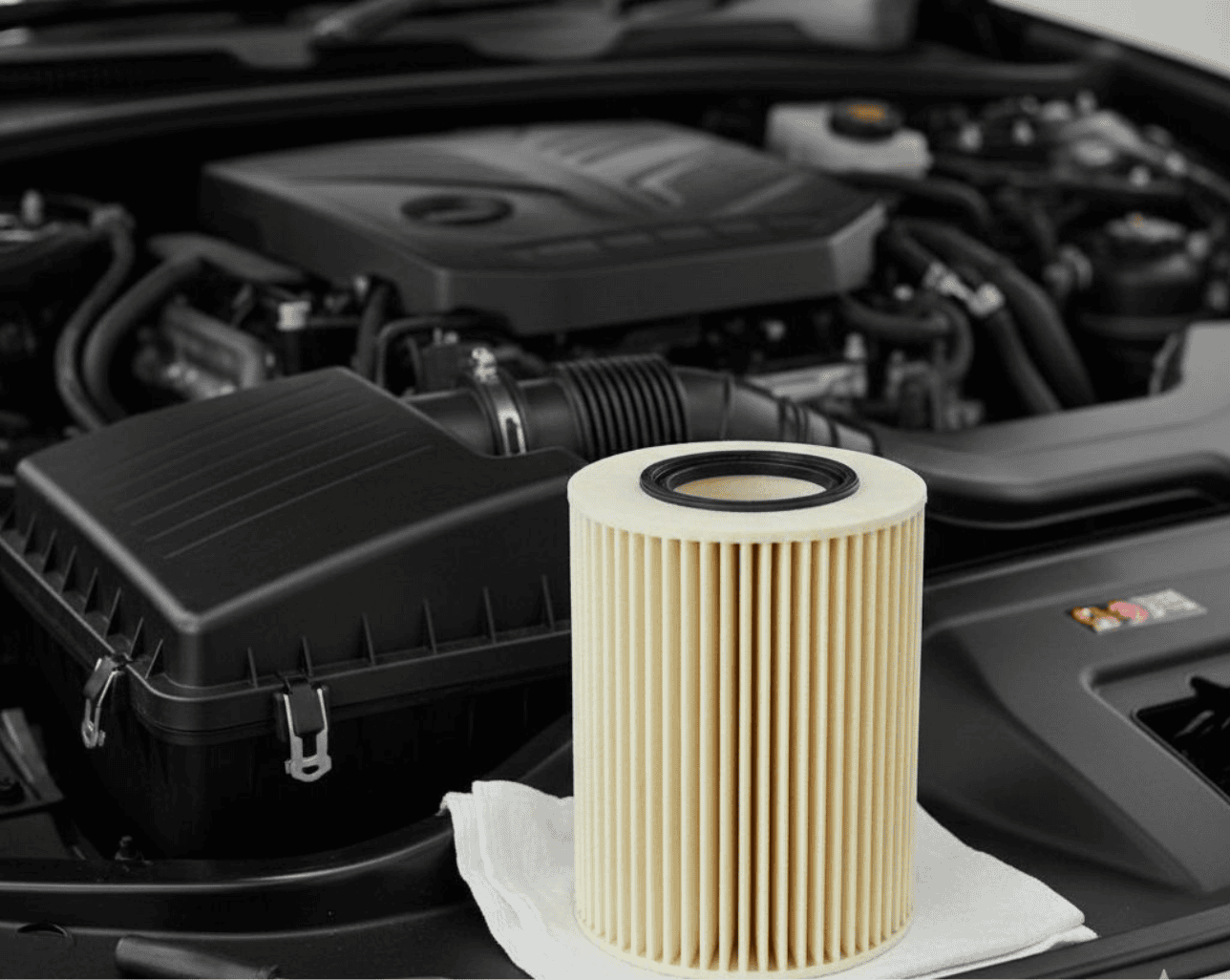
Water may have passed through the air intake system. Therefore, removing and replacing the air filter immediately is mandatory.
Cleaning the Fuel System
If water has entered the Fuel Tank, it must be completely drained, and the tank, Fuel Pump, and Fuel Lines must be cleaned. If water residue remains, Injectors can get clogged.
Checking Electrical Systems
If the computers and sensors in modern vehicles are damaged by water, it incurs a high cost. Therefore, the Engine Control Unit (ECU) and other control modules (ABS, Airbag, BCM) must be checked to see if they are wet. If water has entered, they must be opened and cleaned or replaced by an expert.
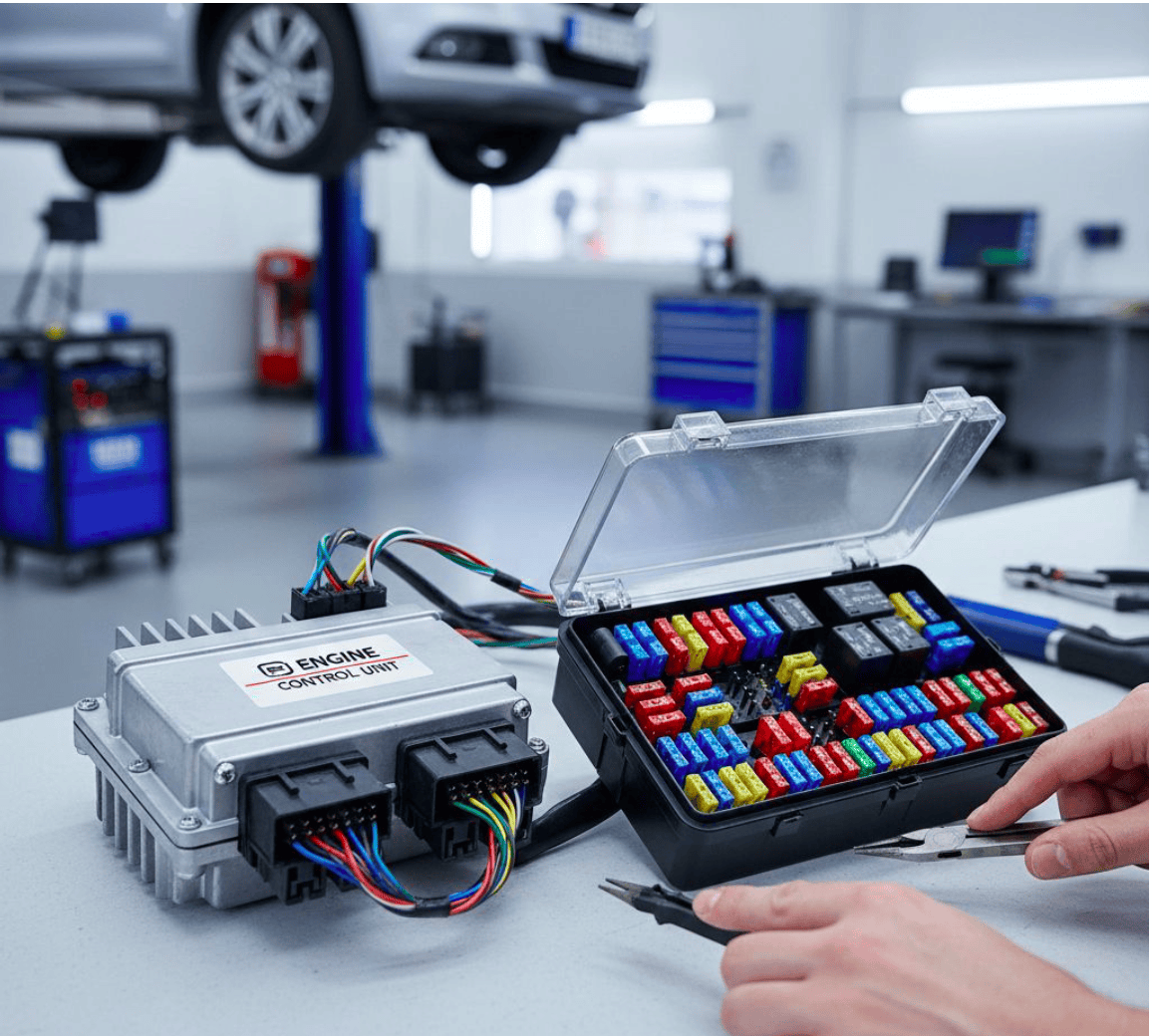
Fuse Boxes
Check Fuses and Relays for rust or salt deposits and clean them.
Wiring and Sensors
Sensors
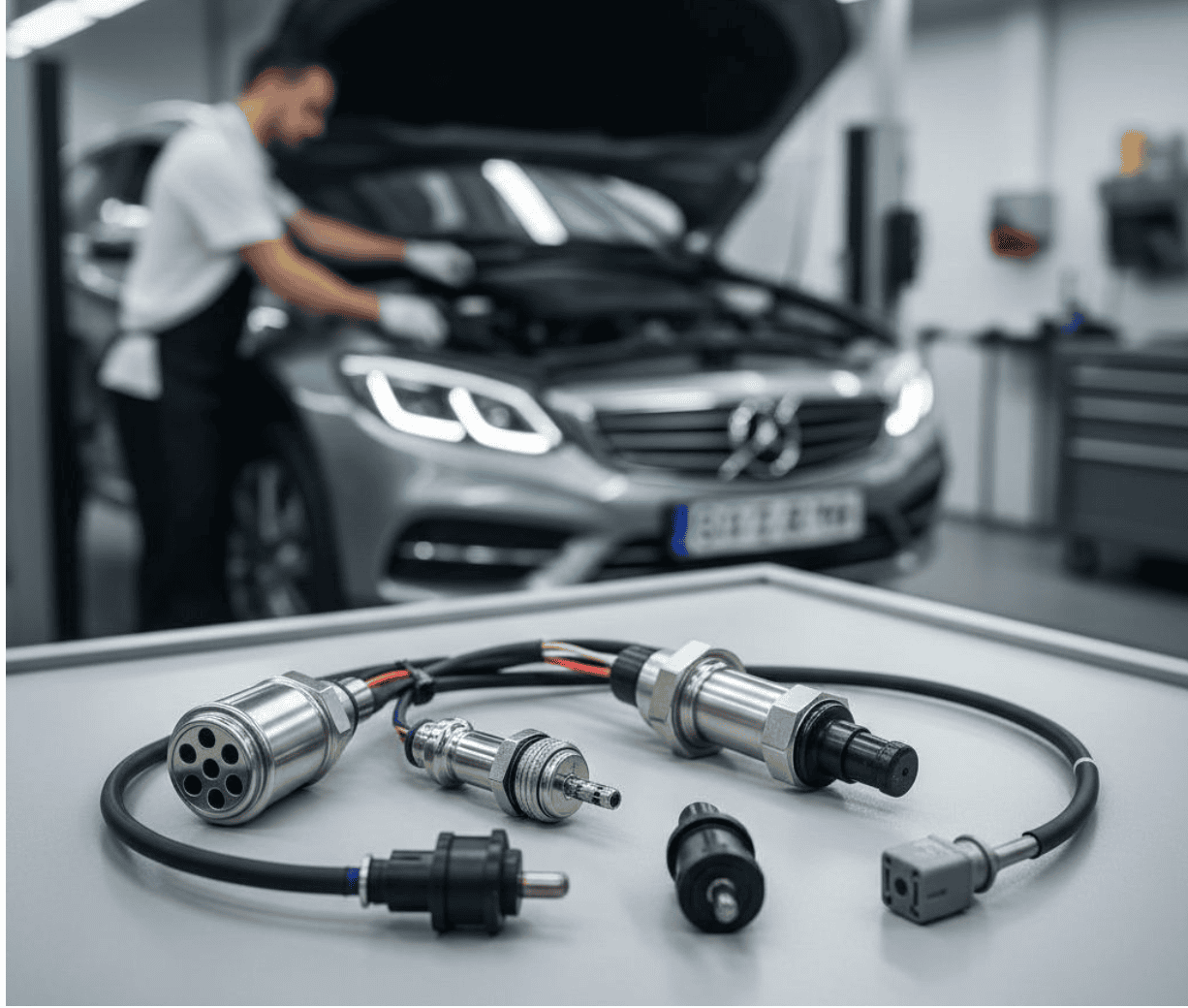
Oxygen Sensors, Crank Sensors, and other electrical sensors should be cleaned or replaced.
Wiring Damage
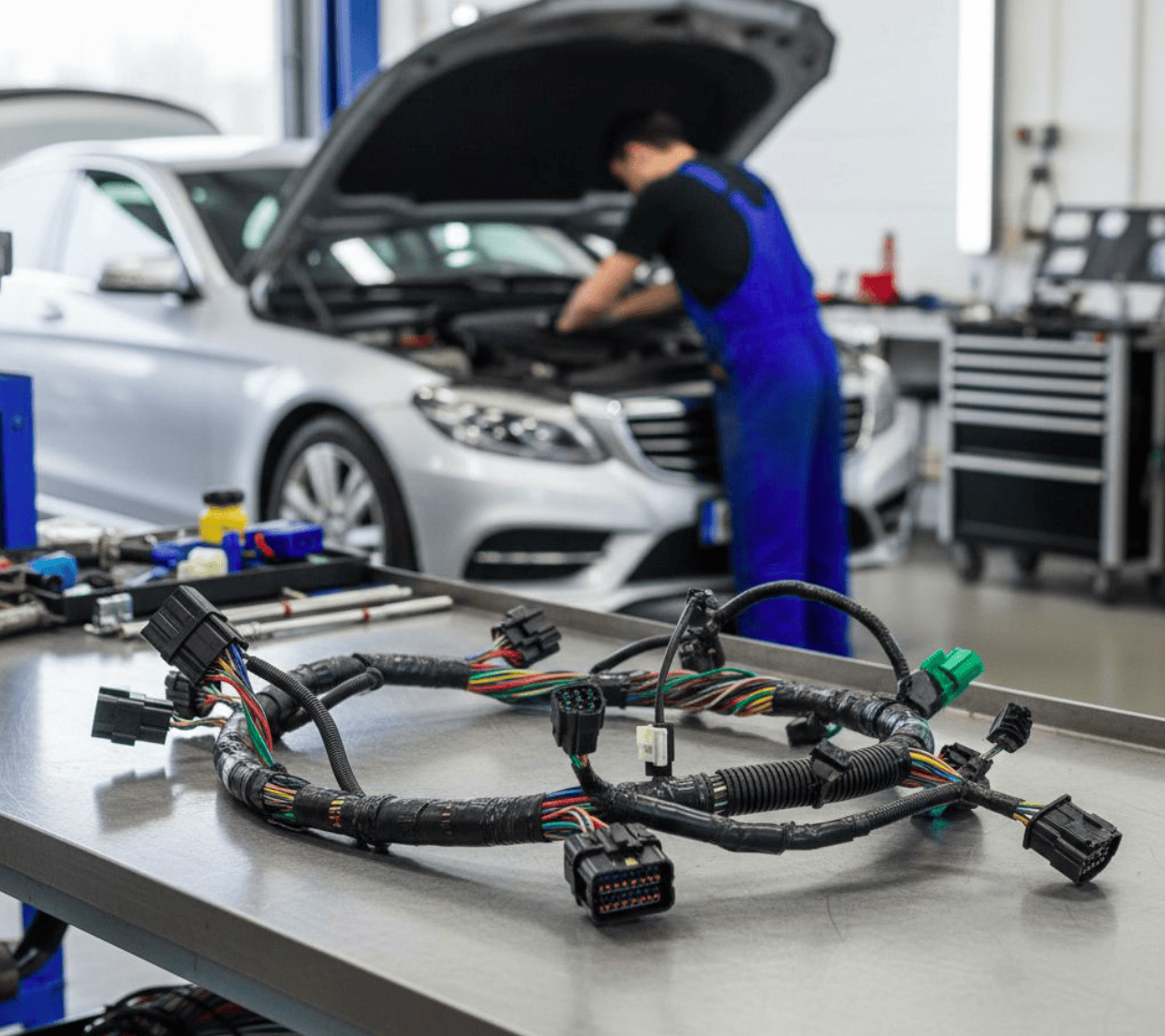
It is necessary to check if the Wiring Harnesses have been damaged by the flood. Sometimes water travels inside the connector sheaths of electrical wires, causing corrosion. Therefore, check those connector sheaths and replace them if necessary, or clean them using cleaning agents like Contact Cleaner (WD40).
Other Systems
Brake System Inspection
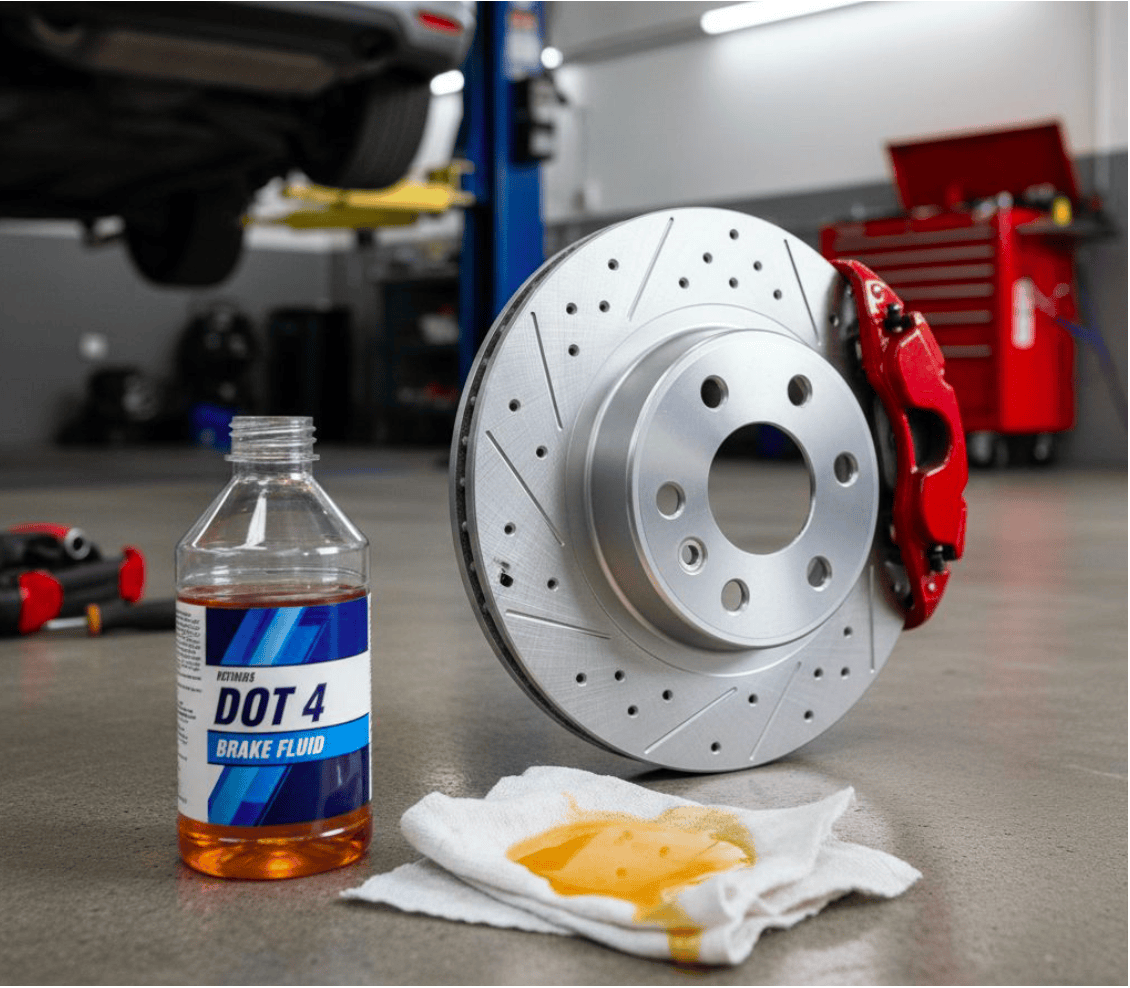
If mud or water has entered the brake system, remove all wheels and clean and grease the Drums or Calipers. Also, replacing the fluids in these systems is mandatory.
Lighting Systems
If water has entered Headlights and Tail lights, they must be opened, dried, and reinstalled or replaced.
Through these steps, all internal damage required to drive the vehicle safely and properly again should be identified and repaired. Accurate diagnosis and repair methods by the mechanic are essential here.